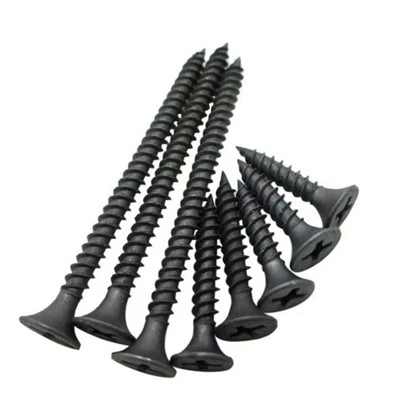
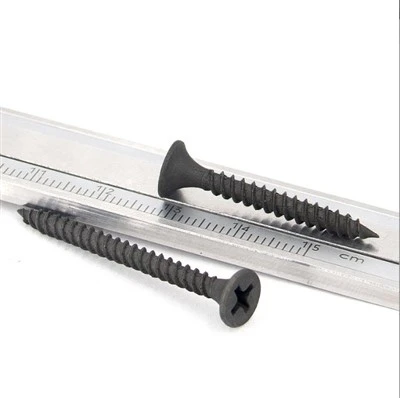
Why Does Stainless Steel Still Rust? A Common Misunderstanding for Buyers
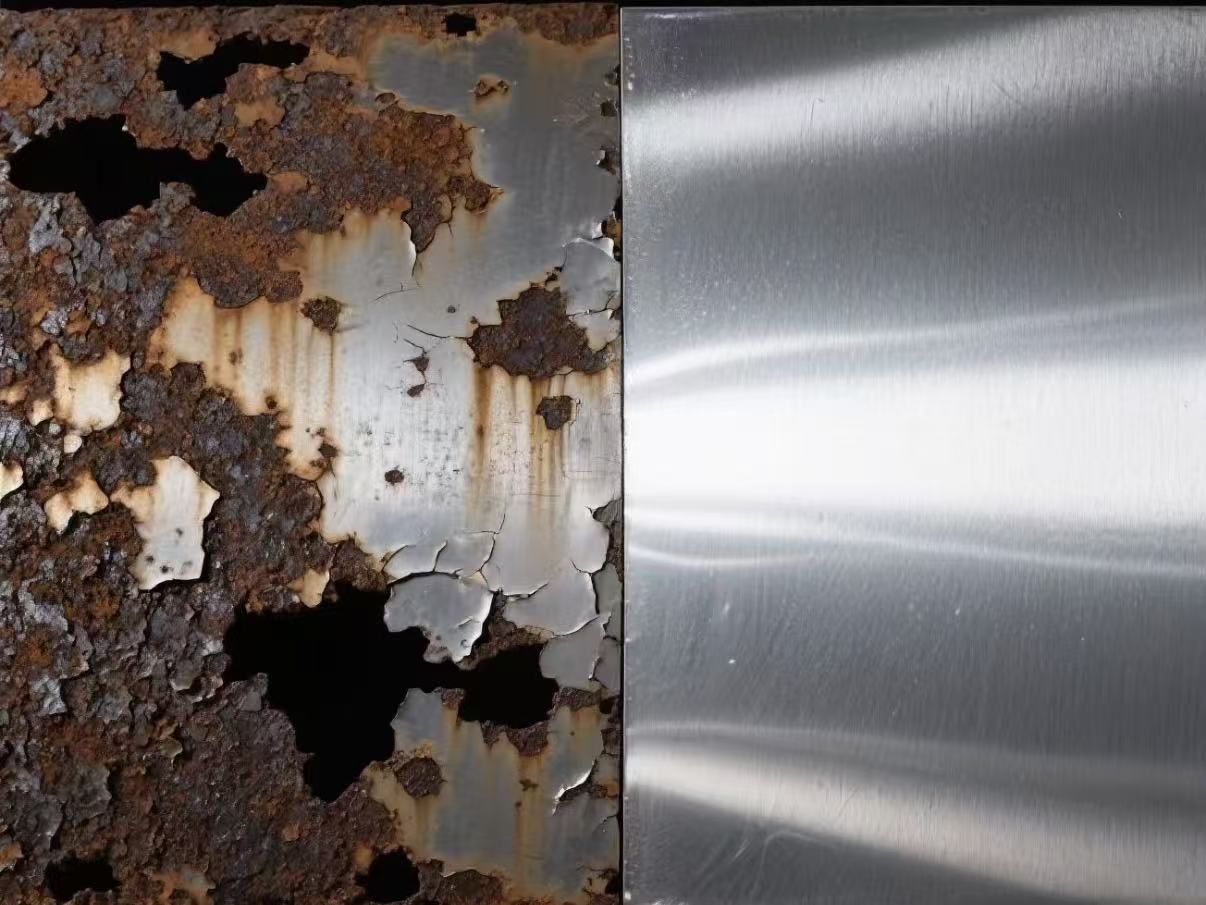
Many buyers believe stainless steel will never rust. This is not true. Stainless steel offers better corrosion resistance, but rust spots and surface rust can still occur under certain working conditions. Rust does not always mean counterfeit material; it is usually caused by environment, installation or operating conditions.
1.Chloride ions - the biggest enemy of stainless steel
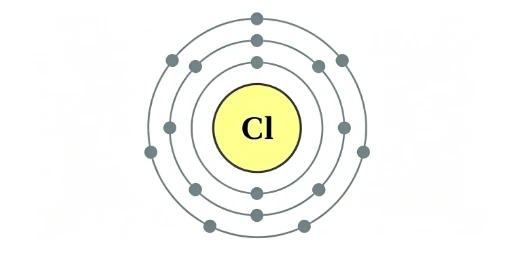
Coastal areas, seaports, sea‑spray and some chemical environments contain high chloride content. Chloride ions destroy the passive protective film on stainless steel surface, leading to pitting corrosion and rust pits.
Tip: 304 (A2‑70) is not recommended for long‑term coastal exposure. 316 (A4‑70) is preferred for seaside projects.
2. Surface iron contamination causing superficial rust
During production, cutting, grinding or on‑site assembly, carbon‑steel tools and iron debris may stick to stainless‑steel parts. These iron particles produce yellow surface rust when exposed to moisture. This is surface contamination rather than base‑material corrosion, and can be removed by pickling and passivation.
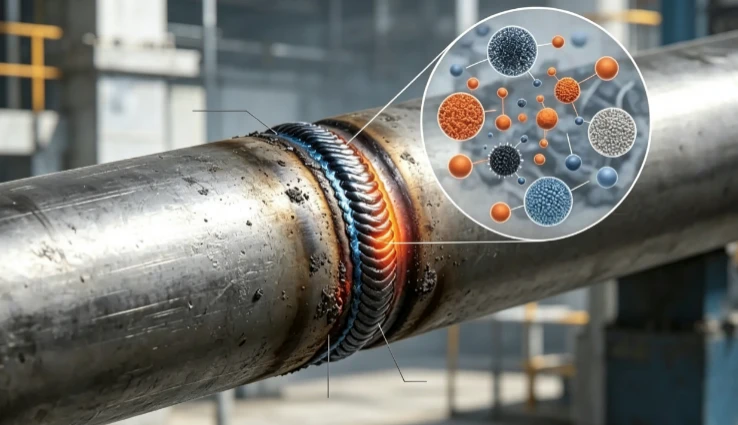
3. Sensitization corrosion after welding
High welding temperature precipitates chromium carbide near weld seams, reducing local chromium content and damaging the passive film. Inter‑granular corrosion appears along weld lines. Solution: Use low‑carbon grades 304L / 316L, or perform solution annealing & pickling after welding.
4. Stagnant, trapped moisture in gaps
Water trapped in bolt gaps, flange joints or gasket crevices cannot evaporate. Without sufficient oxygen, the passive layer cannot self‑repair. Even 316 stainless steel may suffer crevice corrosion under long‑term damp sealed conditions.

5. Damaged passive film by scratches
Knocks, scratches or aggressive wire‑brush grinding remove the natural passive layer. Corrosion may start if working atmosphere is harsh.


Practical buying tips
- Dry indoor applications: 304 / A2‑70 is sufficient.
- Coastal & salt‑spray environment: choose 316 / A4‑70.
- Welding conditions: select low‑carbon "L" grades.
- Prevent carbon‑steel iron chips from contaminating stainless‑steel parts during installation.
- Do not judge material quality only by surface rust. Distinguish superficial contamination from real pitting corrosion.