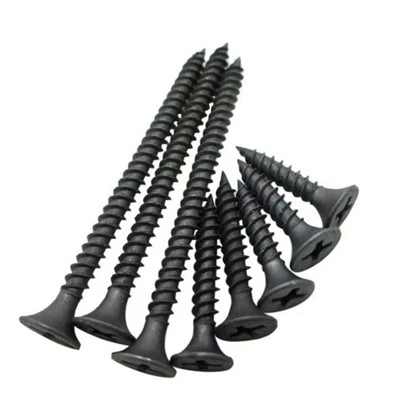
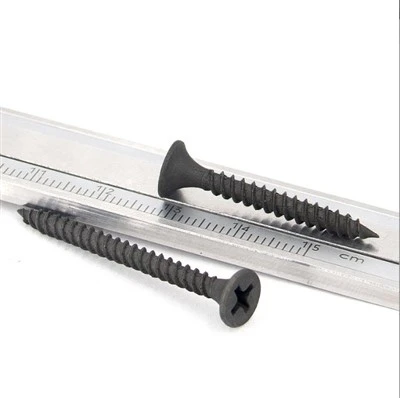
Screws don't have a fixed "shelf life." Their usability depends primarily on storage conditions and the environment in which they are used, not their production date. If stored properly, steel screws themselves won't deteriorate and can theoretically be stored for a long time.
However, the following points directly affect the usability of screws:
Rust Prevention: Screws should be stored in a dry, room-temperature indoor environment. The surface should be coated with rust-preventive oil and sealed to prevent air from entering and causing rust. In a humid environment, unopened screws may show peeling of the galvanized layer within six months; while under dry, sealed conditions, they can still be used normally for up to five years.
Visual Inspection: If screws show rust exceeding 3 mm, oil buildup inside the threads, or a diameter reduction of more than 0.2 mm, they should be discarded immediately. This is especially important in high-safety-requirement fields such as construction and chemical industries, where using deteriorated screws could lead to serious accidents.
Material and Environmental Matching: Different environments require different materials. For example, 316 stainless steel is recommended for coastal areas, while acid and alkali-resistant materials should be chosen for chemical environments to extend their actual service life.
Reuse Risk: Although some fasteners can be disassembled and reused, it is recommended to replace disassembled screws with new ones, especially high-strength screws, as internal stress or hydrogen embrittlement may cause delayed fracture.